The Renovate Europe Campaign’s work during the 2014–2019 term of the European Parliament: the manifesto “STOP Energy Waste in Buildings”, the MEPs who signed it, and the Days of Action where they did.
The MEPs who signed, by name, country or political group
Why MEPs support energy renovation
26 MEPs from 4 political groups and 15 countries, in their own words
The manifesto
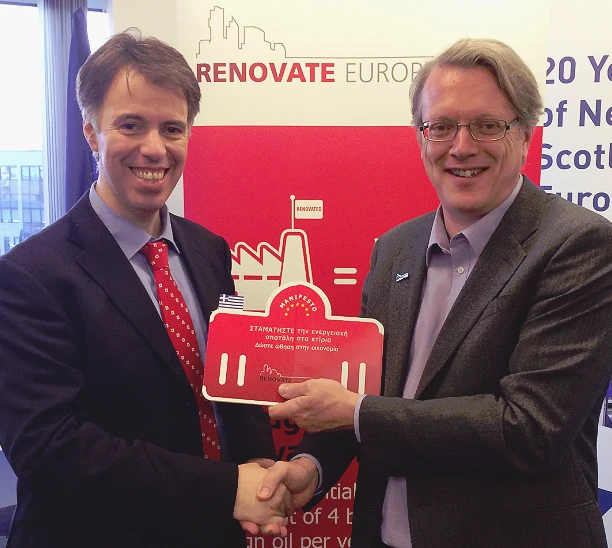
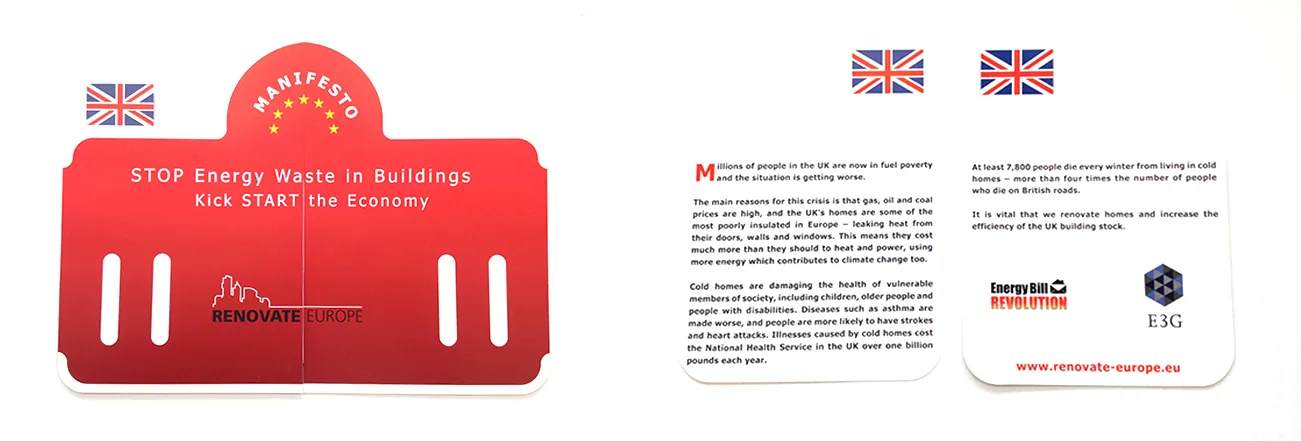
On 12 March 2014, ahead of the European elections, the campaign published its manifesto, calling on candidate MEPs to sign a pledge to “STOP Energy Waste in Buildings”. It was launched by Theodoros Christopoulos, Energy Attaché of the Greek Presidency of the EU, and Adrian Joyce, Renovate Europe Campaign Director.
“Stopping energy waste in buildings is becoming a top priority for citizens, as households face increasingly high energy bills”, explained MEP Fiona Hall (UK, ALDE), an early supporter of the Manifesto. “This is a real opportunity for candidate MEPs to address their national constituencies on a topic that really speaks to them and affects them on a daily basis, and where they understand that the EU plays a fundamental role.”
MEP Anne Delvaux (BE, EPP), another early supporter of the Renovate Europe Manifesto and Co-Rapporteur of the EP’s Report on the 2030 Energy and Climate Framework, emphasised the strong rationale of signing such a pledge: “In the European elections, voters will look for candidates to fight for solutions that boost jobs and growth in the immediate future, but that also fit into a long-term strategy to achieve a competitive sustainable low-carbon economy in the EU. Pledging to STOP Energy Waste in Buildings makes clear political sense”.
32 partners drawn from across the construction value chain have gathered behind the Renovate Europe Manifesto for the 2014 European Elections.
“This is a cross-sectoral, cross-national, cross-party call to action”, explained Adrian Joyce, Director of Renovate Europe, “Stopping energy waste in buildings delivers numerous multiple benefits, for the economy, for businesses, for the environment and for citizens’ wellbeing and quality of life and therefore defies the traditional party-lines, sectoral groups and national borders.”
Renovate Europe worked with its national Supporting Partners to carry the manifesto to the national and local level in the run-up to the elections in May 2014. It was translated into French, Italian, Spanish, Polish and Greek, with national inserts on why it mattered in Germany, Italy, Spain, France, Greece, Poland, the UK and the Czech Republic.
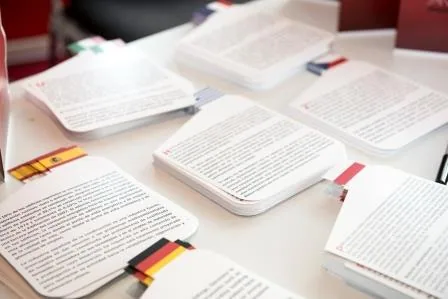
The manifesto in your language
STOP Energy Waste in Buildings
HALTE au Gaspillage Énergétique dans les Bâtiments
ΣΤΑΜΑΤΗΣΤΕ Την Ενεργειακη Σπαταλη Στα Κτιρια
FERMIAMO gli Sprechi di Energia negli Edifici d’EUROPA!
KONIEC Z Marnotrawstwem Energii W Budynkach
FRENAR Las Pérdidas de Energía en los Edificios
What is the situation in your country?
The national inserts set out why the manifesto mattered in each country, in the country’s own language.
Czech Republic
2014 is a crucial year to set a favourable and stable political framework in order to reap the multiple benefits of investing in energy efficiency in buildings. The Czech Republic is finalising its new Operational Programmes for the 2014-2020 EU Funds, and needs to develop a National Renovation Strategy accordingly to Art. 4 of the Energy Efficiency Directive. In addition, the Czech Republic should adopt a revision of State Energy Policy and start a debate on the introduction of Energy Efficiency Obligations for energy utilities.
The debate is shifting. Before, a new nuclear power plant was seen almost as the ‘silver bullet’ solution for our energy needs in the Czech Republic. Now, awareness is growing around the fact that economic development, employment and social cohesion resulting from affordable access to energy may be better achieved through energy savings.
40 % of energy savings by 2030 can be reached solely through cost-effective measures in buildings, and the role of industry in achieving this task should not be underestimated.
Greece
Ηοικονομική κρίση που για 6η χρονιά βιώνει η Ελλάδα και οι κοινωνικές της συνέπειες, γίνονται όλο και πιο εμφανείς στο ελληνικό νοικοκυριό. Για να ανταποκριθεί στις καθημερινές της ανάγκες η ελληνική οικογένεια έχει δραστικά περικόψει την ενεργειακή της κατανάλωση. Η λανθασμένη επιλογή της αναβάθμισης των μονάδων θέρμανσης με νέες πιο αποδοτικές και όχι η επιλογή της ενεργειακής θωράκισης των κατασκευών, δεν έχει αποδώσει τις αναμενόμενες οικονομίες κλίμακας.
Το 2014 πρέπει να αποτελέσει έτος επαναπροσδιορισμού των στόχων και των πρακτικών σχετικά με την ανακαίνιση των κτιρίων. Οι στόχοι θα πρέπει να περιγράφονται μέσα από μια καθορισμένη και συνοπτική σειρά μέτρων, απαραίτητη για την αντιμετώπιση των δαιδαλωδών καταστάσεων που η χρόνια αδιαφορία, το πολύπλοκο νομικό σύστημα της χώρας και τέλος η οικονομική κρίση έχουν επιφέρει.
Τα οφέλη που θα προκύψουν από την εφαρμογή των μέτρων με στόχο την επίτευξη εξοικονόμησης ενέργειας είναι πολύ σημαντικά για την εθνική οικονομία. Ενδεικτικά, η εφαρμογή τους θα συμβάλλει σε σημαντικό ποσοστό στην ενεργειακή ασφάλεια της χώρας μέσω της μείωσης της εξάρτησης από εισαγόμενα καύσιμα, στην ενίσχυση της καινοτομίας μέσω της προώθησης νέων τεχνολογιών καθώς και στην αύξηση της απασχόλησης, στην δημιουργία θέσεων εργασίας και στην τόνωση της ανταγωνιστικότητας. Συνοπτικά είναι αναγκαία η επανέναρξη του Εξοικονομώ κατ΄ οίκον, η αξιοποίηση πόρων για την ολοκλήρωση πιλοτικών έργων και η επιμόρφωση του τεχνικού εργατικού δυναμικού. Στόχοι πρέπει να τεθούν και για την διευκόλυνση στην πρόσβαση και εφαρμογή προγραμμάτων ενεργειακής αναβάθμισης προσφέροντας φορολογικά κίνητρα, περιορίζοντας την γραφειοκρατία και πολυνομία και βελτιώνοντας την προσφερόμενη ρευστότητα πόρων που διατίθενται για αυτά.
Η Ελλάδα έχει ένα από τα υψηλότερα ποσοστά ιδιοκατοίκησης στην Ευρώπη, γεγονός που συντελεί στην αδυναμία εφαρμογής γενικευμένων προγραμμάτων, αλλά από την άλλη έχει το πλεονέκτημα ότι η πλειονότητα του πληθυσμού είναι αυτή τη στιγμή προβληματισμένη όσον αφορά την ενεργειακή αποδοτικότητα της κατοικίας. Σε αυτό το πεδίο είναι απαραίτητη μία ολοκληρωμένη, δυναμική και διαρκής καμπάνια ενημέρωσης που να στοχεύει στην εξοικείωση των πολιτών για τα οφέλη των δράσεων αναβάθμισης του κτιριακού αποθέματος.
Spain
Casi el 10% de los edificios españoles se encuentran en un estado de conservación ruinoso, malo o deficiente. Por otro lado, el 56,31% de los edificios existentes se construyó sin ninguna normativa mínima de ahorro de energía, el 39,1% se construyó conforme a la normativa básica de 1979 y solamente el 4,59% lo hizo conforme al Código Técnico de la Edificación de 2007. Si además tenemos en cuenta que una tercera parte del consumo energético final de España se produce en los edificios, la rehabilitación de edificios es una oportunidad muy atractiva tanto desde el punto de vista energético y de mejora de la calidad de vida, como desde el punto de vista económico y de generación de empleo.
La industria española de la construcción es una industria fuerte, preocupada en dar solución a los problemas medioambientales de nuestro entorno, constituida por profesionales de cualificada formación, innovadora en sus tecnologías y en el empleo de materiales y productos cuyo desarrollo ha requerido un alto contenido de investigación e innovación. Asimismo está totalmente preparada para reorientar su actividad hacia la rehabilitación, regeneración y renovación urbana.
A pesar del esfuerzo realizado en los últimos años, todavía es necesario un importante impulso político, como motor de otras medidas financieras, operativas y de comunicación, según propone el informe GTR 2014, para que la rehabilitación alcance un nivel de actividad adecuado con el fin de que los ciudadanos, las empresas y las propias administraciones públicas empiecen a notar sus beneficios.
Por eso, la campaña electoral al Parlamento Europeo se presenta como una oportunidad para que se le otorgue a este tema atención prioritaria, y de tal modo los futuros responsables españoles en el Parlamento Europeo se comprometan a impulsar desde su posición iniciativas dirigidas a promover la rehabilitación de viviendas y edificios ligada a la mejora de su eficiencia energética.
France
L’énergie la moins chère et la moins polluante est celle que l’on ne consomme pas. Ce credo, maintes fois répété et agréé en France lors du Grenelle de l’Environnement et plus récemment lors de la conférence environnementale, se voit aujourd’hui offrir une chance de prendre une dimension européenne grâce aux prochaines élections.
Avec 40% des consommations totales d’énergie en France et en Europe, le secteur du bâtiment représente un enjeu majeur à la fois pour notre indépendance énergétique et dans la lutte contre les changements climatiques. L’efficacité énergétique est une source majeure de création de valeur économique et d’emplois non délocalisables. Elle permettra aux consommateurs, dont le rôle est central, de ne pas subir la hausse endémique du coût de l’énergie en maitrisant leur consommation. Elle permettra enfin de résorber structurellement la précarité énergétique dont le développement en France inquiète.
La campagne électorale doit renforcer l’attention des décideurs sur un sujet dont les enjeux sociaux, économiques et environnementaux sont cruciaux pour notre pays. Forte de ses acquis nationaux, les représentants français devront faire preuve d’audace et de volontarisme à Bruxelles afin de placer l’efficacité énergétique au coeur des politiques européennes, aux bénéfices des citoyens, des territoires, de la France et de l’Europe.
Italy
Una casa consuma, proprio come un’automobile, anzi, molto di più. Si pensi che un appartamento di 80 metri quadri a Milano in sei mesi consuma mediamente 20 mc di combustibile per metro quadro. Il che significa circa 1550 € ogni anno. Solo di riscaldamento. E solo, come detto, in sei mesi. Discorso analogo riguarda il tema dell’inquinamento: un appartamento milanese di 80 mq, in sei mesi immette nell’atmosfera circa 3,6 tonnellate di co2, il doppio di un SUV che circola in città percorrendo 10 mila chilometri l’anno (circa 1,7-2 ton di Co2).
Si tratta di numeri su cui si può e si deve intervenire!
Attraverso campagne di informazione rivolte ai cittadini, affinché prendiamo tutti coscienza che il consumo energetico degli edifici è una variabile da tenere sotto controllo, proprio come quello dell’automobile;
Attraverso la promozione di appositi strumenti finanziari che rendano gli interventi di riqualificazione energetica complessivi alla portata di tutti;
Attraverso l’istituzione di premialità specifiche per gli edifici efficienti anche a livello locale.
Germany
Regarding energy efficiency in buildings, Germany is known for successful financial instruments such as the KFW-program accompanied by according building codes. But in recent years domestic policy makers have lost pace, and the current political debate on energy efficiency is completely overshadowed by the discussion on the reform of the feed-in tariff for renewables.
EU regulation however has become an increasingly important driver for political progress. 2014 is a crucial year to implement the Energy Efficiency Directive and the related National Renovation Roadmap in Germany. This instrument was already announced in the government’s energy concept in 2010 but has not been substantiated until today. With the review of the German Energy Saving ordinance (building codes) completed last year, the new government now has a unique opportunity to develop a long-term policy strategy including stable funding and improved legal framework conditions. Furthermore Germany needs to elaborate appropriate strategic measures in order to achieve 1.5% new savings required in the EED.
Poland
Polska staje przed unikalną możliwością zrealizowania ambitnego planu modernizacji z wykorzystaniem środków europejskich z perspektywy finansowej na lata 2014-2020. Priorytetem powinno stać się budownictwo jednorodzinne, które do tej pory, prawdopodobnie ze względu na trudności organizacyjne oraz wysokie koszty transakcyjne, nie było objęte praktycznie żadnym programem wsparcia. Jednocześnie, aby osiągnąć spójny efekt końcowy, programy modernizacji powinny obejmować także budynki wielorodzinne – w Polsce mieszka w nich połowa populacji oraz budynki użyteczności publicznej, które ze względu na pełnione funkcje w przestrzeni ogólnej powinny służyć jako wzór efektywności energetycznej. Obecnie (wg Krajowej Agencji Poszanowania Energii KAPE) zużycie energii na metr kwadratowy powierzchni budynku w Polsce jest na poziomie około 120 do 300 kWh rocznie, podczas gdy w rozwiniętych państwach zachodnich jest to 50 KWh.
Budynki jednorodzinne – połowa ludności Polski mieszka w budynkach jednorodzinnych, a znaczna część tych budynków powstała jeszcze w poprzednim ustroju, czyli w czasach gdy materiały budowlane odpowiedniej jakości były ogólnie niedostępne. Nierzadko budynki jednorodzinne były budowane bez udziału fachowców i w oparciu o najprostsze założenia architektoniczne. Modernizacja tych zwłaszcza budynków jednorodzinnych w bezpośredni sposób przyczyni się więc do wzrostu poziomu życia, poprawy estetyki polskich miast i wsi, a także poprawy stanu środowiska.
Budynki wielorodzinne – większość budynków wielorodzinnych w Polsce powstała w okresie odbudowy powojennej, a wiele z nich budowana była szybko, bez należytej dbałości o jakość zarówno materiałów jak i całego budynku. Także efektywność energetyczna nie była wówczas priorytetem, toteż budynki wielorodzinne w Polsce, szczególnie te z wielkiej płyty, podobnie jak w innych krajach byłego bloku, stanowią wyzwanie nie tylko techniczne, ale i estetyczne. W Polsce problem renowacji budynków wielorodzinnych został zauważony kilkanaście lat temu, kiedy stworzono program wsparcia modernizacji budynków wielorodzinnych, tj. Fundusz Termomodernizacji i Remontów, który w połączeniu z systemami audytów energetycznych stanowi w skali europejskiej przykład dobrych praktyk.
W roku 2014, gdy kraje członkowskie UE mają za zadanie opracowanie swoich Krajowych Planów Działań Dla Renowacji (National Renovation Roadmap), konieczne jest wypracowanie koncepcji, łączącej kontynuację Funduszu Termomodernizacji i Remontów z innymi rozwiązaniami, co doprowadzi do powstania spójnego programu, który pozwoli sprostać wyzwaniom strat energii zarówno w budynkach wielo-, jak i jednorodzinnych. Z problemem niskiej efektywności energetycznej wiążą się też inne zagadnienia, takie jak ubóstwo energetyczne, konieczność poprawy warunków życia, konieczność wypełniania standardów ochrony powietrza i środowiska. Dotychczasowe doświadczenia Polski w połączeniu z doświadczeniami innych krajów wskazują na dobrą pozycję startową Polski na drodze do przygotowania spójnego, kompleksowego i wykonalnego programu, który umożliwi sprostanie wyzwaniom stawianym przed modernizacjami budynków. Wartością dodaną takiego programu będzie także generowanie miejsc pracy – przy termomodernizacji tylko istniejących budynków spodziewany wzrost zatrudnienia w latach 2013-2020 szacowany jest na około 40 tys. osób rocznie.
United Kingdom
Millions of people in the UK are now in fuel poverty and the situation is getting worse.
The main reasons for this crisis is that gas, oil and coal prices are high, and the UK’s homes are some of the most poorly insulated in Europe – leaking heat from their doors, walls and windows. This means they cost much more than they should to heat and power, using more energy which contributes to climate change too.
Cold homes are damaging the health of vulnerable members of society, including children, older people and people with disabilities. Diseases such as asthma are made worse, and people are more likely to have strokes and heart attacks. Illnesses caused by cold homes cost the National Health Service in the UK over one billion pounds each year.
At least 7,800 people die every winter from living in cold homes – more than four times the number of people who die on British roads.
It is vital that we renovate homes and increase the efficiency of the UK building stock.
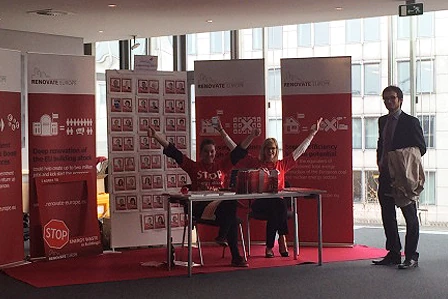
Days of Action, 1–3 April 2014
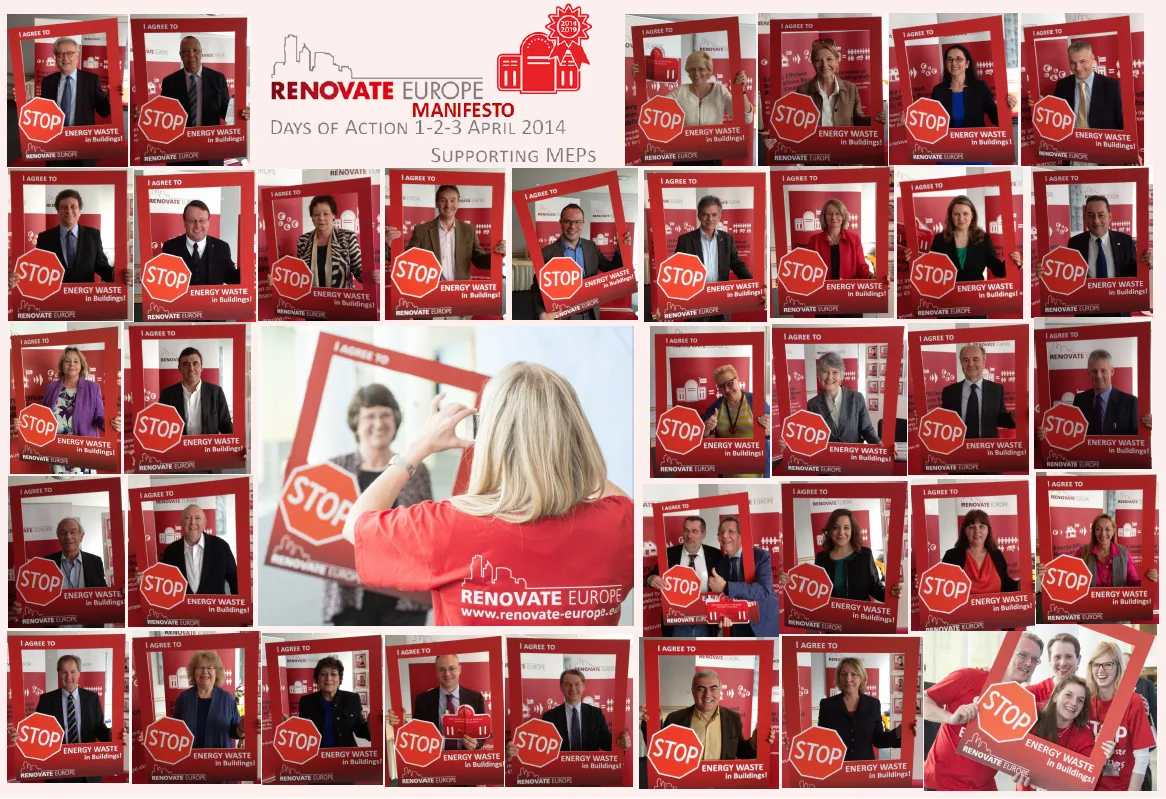
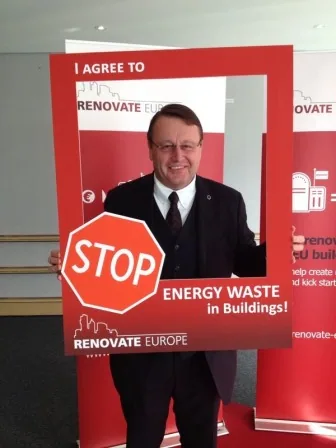
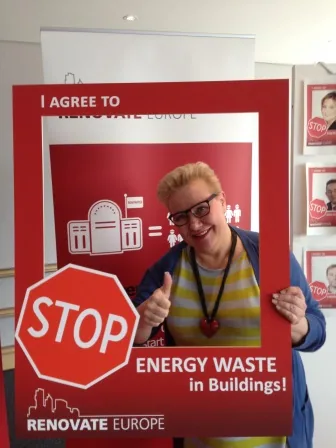
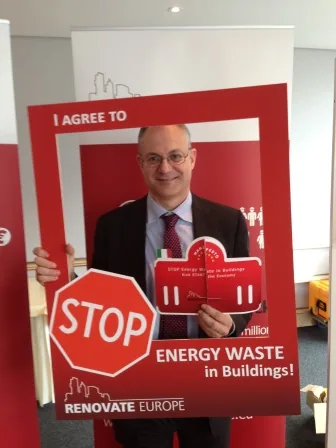
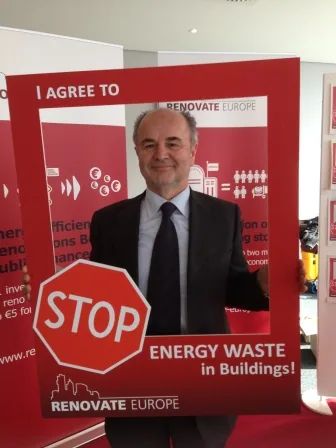
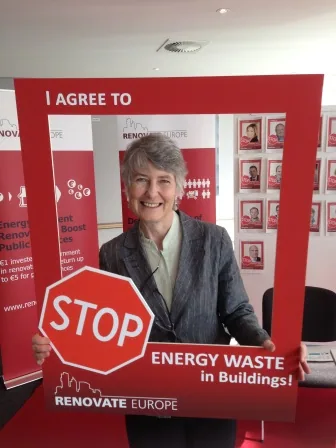
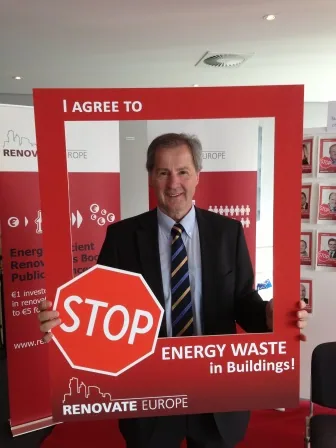
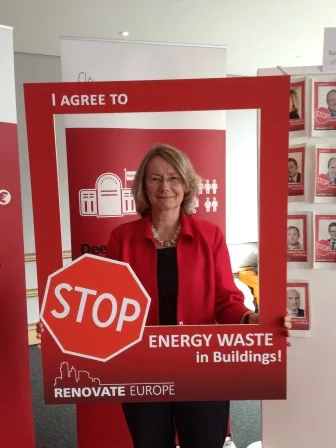
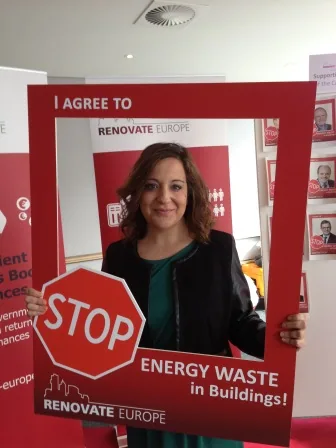
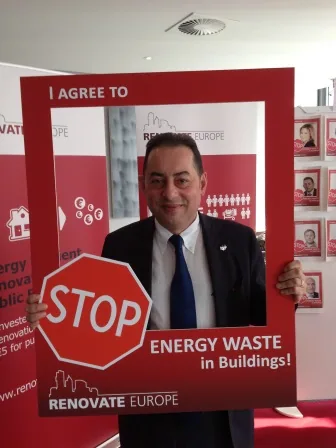
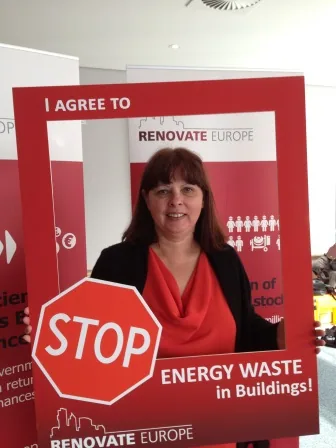
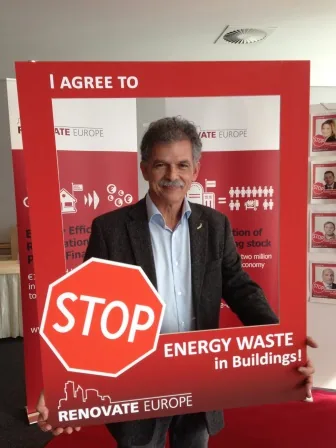
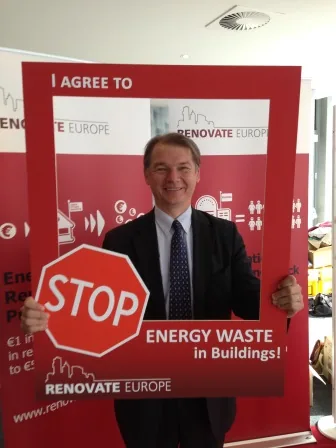
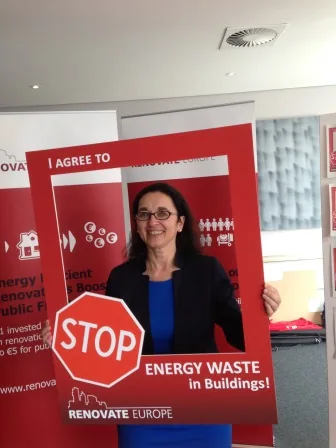
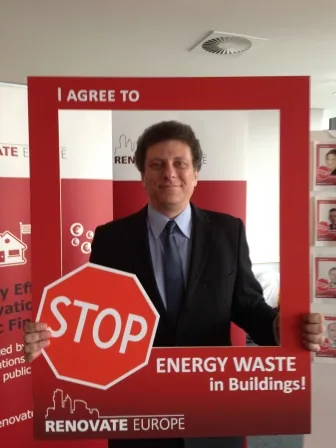
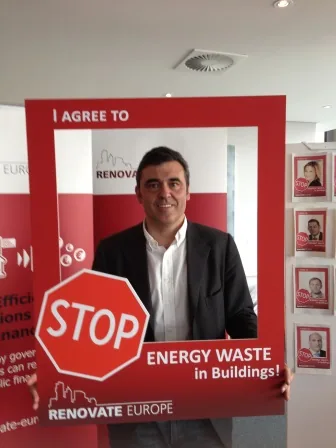
Renovate Europe held three Days of Action in the European Parliament in Brussels on 1, 2 and 3 April 2014, where MEPs came to sign the pledge.